Art in restaurants: Works that shape the atmosphere
A room can be furnished correctly and still feel anonymous. This is often where art in a restaurant makes the decisive difference: not as decoration filling an empty wall, but as a visual presence that sets the mood before the first glass of water hits the table.
For restaurants, wine bars, and cafés with ambitions, art is part of the guest’s overall memory. It can extend a room, create intimacy in high ceilings, add silence to a busy service flow, or give the place a precise cultural signature. When gastronomy, materials, light, and artworks meet with a sense of the whole, the visit becomes more than a meal. It becomes an atmosphere that you take with you.
Art in a restaurant is part of the architecture of the experience
Many restaurant interiors are built around strong, tactile materials: dark wood, brushed steel, whitewashed walls, natural stone, upholstered leather, or heavy textiles. The art does not necessarily have to match these elements. But it must understand them.
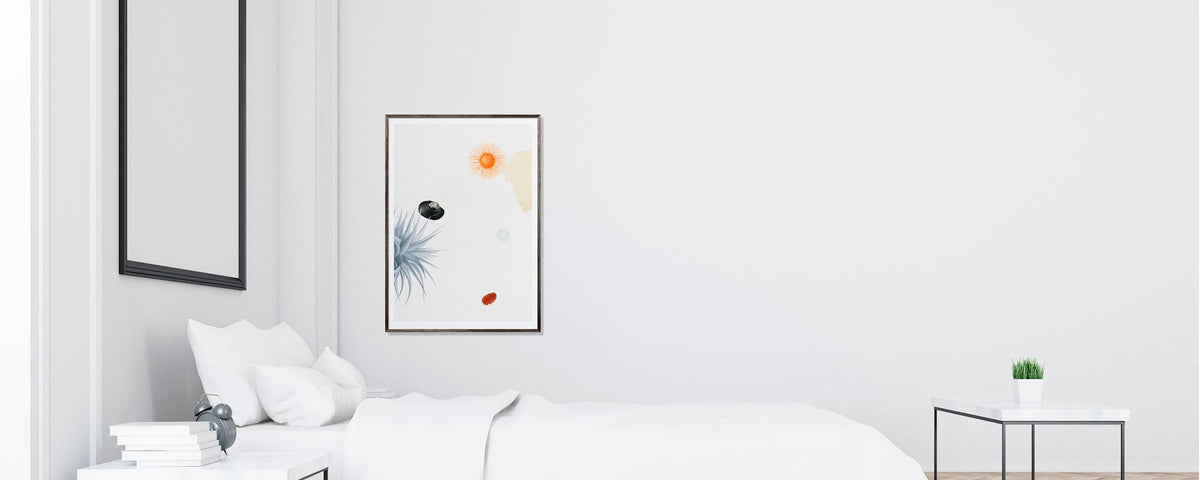
A work with deep, saturated surfaces can add weight to a Nordic, light dining room. A poetic collage can bring humanity and movement into a tight architectural space. A motif with an archival feel can create a subtle connection to the place's history, the geography of the menu, or the building’s origins. It is not about explaining the concept literally. On the contrary, the strongest effect often arises when the work opens an extra layer rather than repeating what the guest has already understood.
The role of art therefore depends on the restaurant's temperament. An intimate wine bar can handle small, detailed originals that reward a slow gaze. A larger dining room may require a few works with scale, calmness, and visual authority. In a lively café environment, graphic prints can create rhythm and recognition without making the space formal.
Start with the feeling, not the color swatch
The most common mistake is to choose art based on wall color alone. A shade can be relevant, but it is rarely a sufficient curatorial principle. Ask yourself instead: What should the guest feel upon arrival? Should the room be experienced as ceremonial, effortless, urban, warm, or almost private?
A restaurant with precise, minimalist gastronomy can benefit from works that add texture, unexpectedness, or a bit of friction. A place with many visual impressions, on the other hand, may call for compositions with air and a clear focal point. The art does not always have to be pleasant. But it must be conscious.
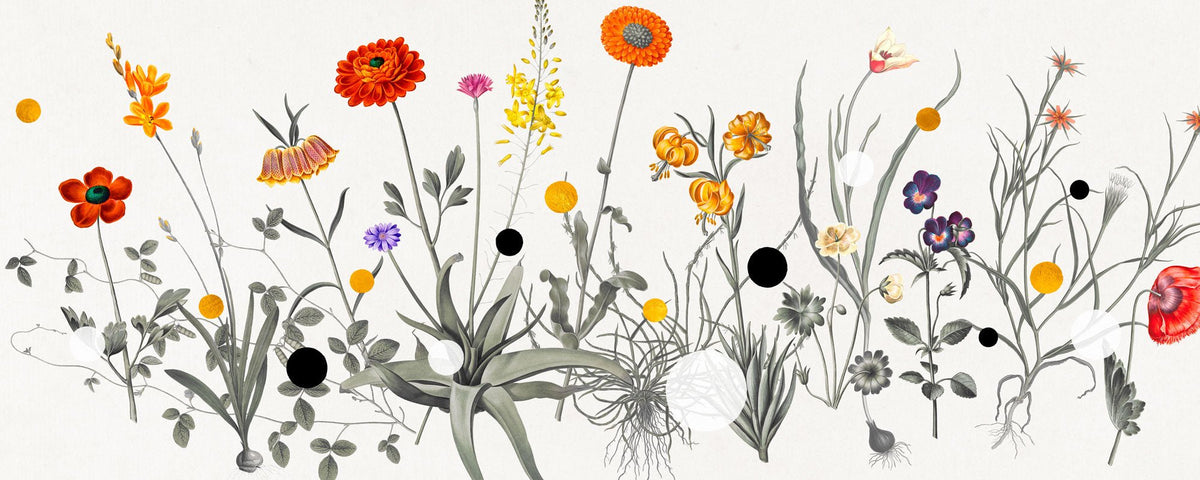
Also consider how the restaurant's identity evolves from day to evening. In daylight, the paper's fibers, the depth of the pigments, and hand-finished details are clearly read. When the light dims, silhouette, contrast, and surface reflection take over. A work with gold leaf, for example, can change character significantly throughout the day when the surface catches warm sidelight or glimmers from candlelight. This kind of variation gives the room a quiet drama without the need for changeable decoration.
Materials must be able to live with the room
Restaurants are demanding environments. There is steam, traffic, changing temperatures, service carts, cleaning, and guests close to the walls. Therefore, the choice of material is not just an aesthetic question.
Giclée prints on exclusive, acid-free paper have a special depth and tactility that suit restaurants with a focus on craftsmanship and refinement beautifully. The paper should be professionally framed with UV-protective glass, especially if the work is placed near large windows. Anti-reflective glass can be worth the investment in rooms with many light sources, as it allows the motif to stand clearly without competing with reflections from lamps and windows.
Canvas can be a strong choice when the work needs to have presence from a distance or is placed in larger formats. The matte surface often receives both daylight and evening lighting well, while at the same time having a more relaxed, painterly character. Original works naturally add a special aura, but they require a location where they can be seen without being exposed to unnecessary wear.
Frames are part of the work, not an afterthought. A slim oak frame can support warmth and tactility; black aluminum provides graphic precision; a deep frame can lift a smaller motif and make it present. In restaurants with many different materials, it is often wise to keep the choice of frame consistent. The repetition creates calm, even when the expression of the motifs varies.
Placement: Give the work an audience
A good work does not necessarily deserve the most visible wall. It deserves the right wall. The entrance is obvious if you want a clear first impression, but a work on the way to the restroom, the cloakroom, or a more secluded corner can give the guest an unexpected moment of immersion.
Above a long banquette seat, a series of related works can create a calm horizon. At individual tables, a work works best when it does not hang so low that the guest gets the feeling of eating directly into it. As a starting point, the center of the work should be at around eye level for a standing guest, but the restaurant's seated perspective is just as important. Sit down at the table before making the decision.
Avoid crowding art onto every available surface. A room with too many visual statements loses its pulse. Negative space, walls without works, and deliberate pauses between motifs create room for both conversations, service, and the art itself. The most exclusive curation is often felt in what you have chosen to leave out.
Light can refine or erase the art
Even an excellent work loses its power under cold, hard light. Conversely, well-placed lighting can highlight paper, pigment, relief, and details with an almost museum-like precision.
Preferably choose adjustable spotlights with high color rendering. The light should hit the work at an angle rather than frontally, so reflections are minimized and the surface comes to life. Warm light works in many hospitality environments, but it must not make blue, green, or gray tones muddy. Here, on-site testing is more important than a technical specification on paper.
There is also a balance between staging the art and protecting it. Direct sunlight can affect colors and paper over time, even with quality production. Works near windows therefore require consideration, UV protection, or a location where the daylight is filtered. Art must be experienced intensely without paying the price for its visibility.
Curation rather than wall ornaments
A restaurant does not need a large collection to make a clear artistic impression. Three works chosen with a steady hand can have a greater effect than twenty motifs without mutual conversation. Look for a common tone, a repeated material, a certain compositional rhythm, or a common tension between figure and abstraction.
This does not mean that everything must look the same. Contrast can be very strong when it is controlled. A monumental, quiet work in the main room can be countered by smaller, more narrative works in passages and private zones. Limited editions add a feeling of rarity and conscious choice, while numbering and signature make the connection to the artist’s hand more present.
For restaurants with multiple locations, art can also act as a common thread without creating copy-paste interiors. For example, repeat a certain format, a frame type, or an artistic method, but choose unique works for each place. This provides recognizability with room for local character.
An investment in the memory of the place
When guests photograph a room, remember a special evening, or recommend a restaurant to friends, it is rarely only the food they describe. They remember the feeling of being in a place with an attitude. Art can be the detail that makes this feeling visible.
At StoltzeStudio, the very interplay between curated works, material quality, and spatial atmosphere is central. A fine art print is not just a motif, but a surface with depth, craftsmanship, and character – properties that can give hospitality environments a more personal and lasting identity.
Therefore, do not choose art for the restaurant too quickly. Let the works meet the room in its own light, see them from the guest’s chair, and feel if they still have something to say when the last service is carried out. That is often where the right decision reveals itself.