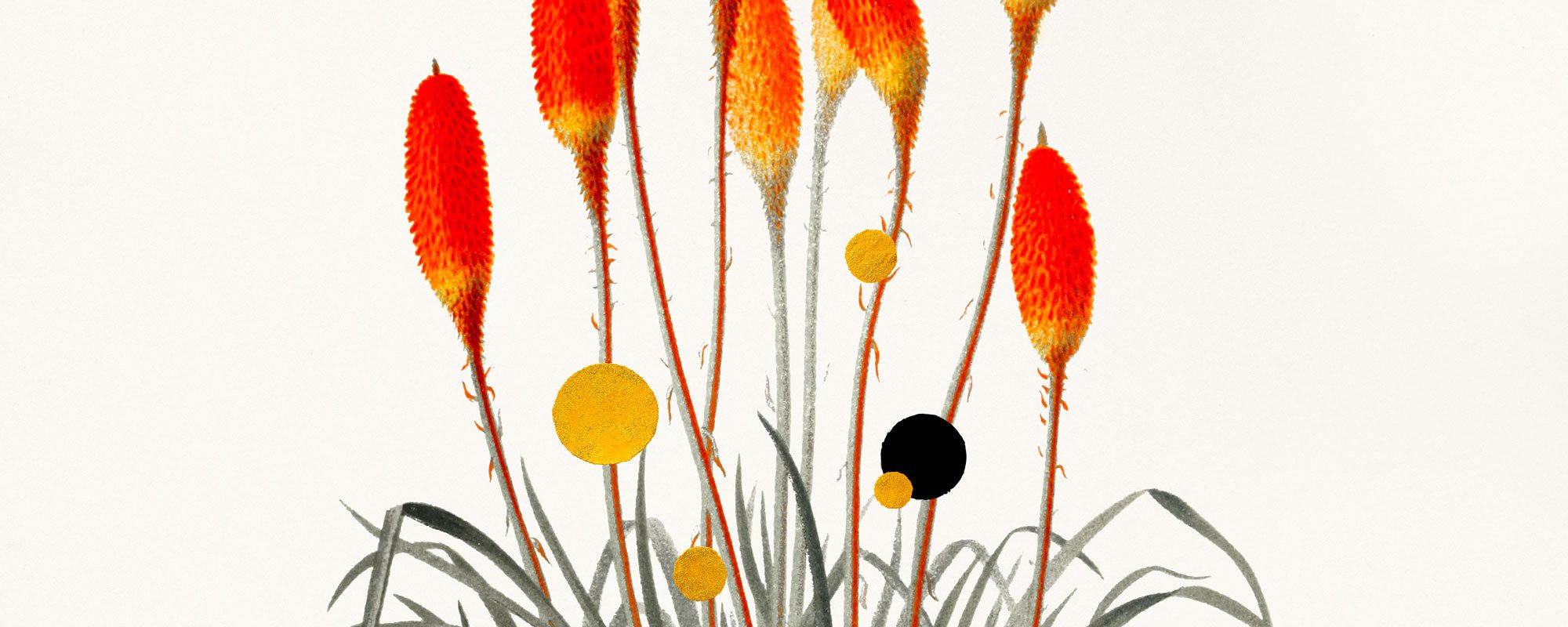
How to properly care for fine art prints
A fine art print very quickly reveals how it is being treated. Not dramatically, but quietly and surely – in the tone of the paper, in the depth of the pigments, and in the tranquility of the surface. When asked how to care for fine art prints, the answer is therefore not just about cleaning. It's about preserving the work's presence, the integrity of its materials, and the precision that makes an art print more than just wall decoration.
Fine art prints are made to last, but they are not indifferent to their surroundings. Exclusive cotton paper, archival pigments, and hand-finished details react to light, humidity, heat, and touch. The better you understand these conditions, the more beautifully the work will age.
How to care for fine art prints in everyday life
The best care is often the least visible. A print doesn't need constant attention, but stable conditions. Think of it as a sensory object with its own balance. Too much sun, too dry air, high humidity, or frequent handling create unnecessary wear, even when the damage isn't immediately visible.
If your print is not yet framed, it is particularly vulnerable. The paper can get pressure marks, grease from fingers, or small bends in the corners. Always hold the work by the edges with clean, dry hands, and lay it flat on a clean surface if you need to unpack or move it. Avoid kitchen counters, dining tables, and other places where moisture, crumbs, or liquids can easily get to it.
Once the print is framed, everyday care becomes simpler. Then it is primarily the placement and the surrounding indoor climate that determine how well the work maintains its character over the years.
Light is the biggest difference between short and long lifespan
The most beautiful light in a room is not always the best light for art on paper. Direct sun is the classic culprit. Even a quality print with archival pigment can lose intensity over time if it hangs in strong, continuous sunlight. This is especially true for works with deep black tones, delicate nuances, or metallic and hand-applied finishing details.
This does not mean that art should be hidden away in the shade. But it should be placed thoughtfully. Choose a wall with indirect daylight or a room where the sun does not hit the work directly for extended periods. If you are decorating with art in very bright rooms, UV-protective glass can be a wise investment. It does not significantly change the work's expression but can make a real difference over time.
Artificial light is rarely a problem in itself, but very hot spotlights close to the work are not ideal. Especially not if the print is on paper without a gap to the glass. Materials prefer peace and air circulation.
The right placement in the home
The living room is often ideal because the temperature is stable, and lighting conditions can be controlled. Bedrooms also work well. Entrances can be more exposed because doors are opened frequently, creating temperature changes. Kitchens and bathrooms require more thought. Here, humidity fluctuates, and grease, steam, and heat work against the paper's durability.
A print can hang in a well-ventilated kitchen-diner if it is placed away from the stove, sink, and direct steam. In a bathroom, it becomes more a question of how much the room is actually used for hot baths and how effective the ventilation is. There is no single answer, but the rule of thumb is simple: the more moisture and temperature fluctuations, the less ideal for fine art prints.
Framing is part of the care
Many people think of the frame as aesthetics first and protection second. In practice, it is both. Good framing not only creates visual weight around the work – it also protects against dust, touch, air pollution, and minor everyday damage.
The most important things are the materials behind what is visible. Acid-free passe-partouts and backboards are crucial because they do not release substances that can discolor the paper over time. It is a quiet form of quality, but it means a lot. Cheap materials can look fine at first yet significantly shorten the work's lifespan.
Glass or acrylic depends on placement and preference. Glass often feels more classic and has a special optical clarity. Acrylic is lighter and less fragile, which can be an advantage in larger formats or homes where the work is exposed. Both can work beautifully if they are of high quality. The crucial thing is that the print is not pressed directly against the surface. There should be a small gap, typically created with a passe-partout or a discreet spacer.
For giclée prints on canvas, other considerations apply. Glass is usually not used here, and care is more about protecting the surface from bumps, dust, and harsh touching. Canvas should hang stably and not too close to heaters or fireplaces.
How to clean without damaging the artwork
When a framed print collects dust, it's tempting to clean thoroughly. This is rarely necessary. Use a soft, dry microfiber cloth on the outside of the frame and the front of the glass. Never spray cleaning agent directly onto the glass, as moisture can penetrate at the edges. If the glass surface requires more than dry wiping, apply a very small amount of cleaning agent to the cloth first - never directly to the frame.
You should only clean the print itself if it is unframed, and even then with great care. Loose dust can in some cases be removed with a very soft, dry brush, but anything else should be avoided. No water, no household cleaners, no attempts to rub away a stain. On fine art paper, small rescue attempts often turn into greater damage.
If the work has marks, moisture damage, or ripples in the paper, the solution depends on the nature of the damage. Here it is better to seek professional help than to improvise. Especially with limited editions, signed works, or prints with gold leaf and other hand-finished details.
Storage, if the work is not to be displayed immediately
A print awaiting framing should be stored flat in its original packaging or between acid-free sheets. It should not be left unprotected leaning against a wall for several months, where it slowly bends or is exposed to light and dust. Tubes are practical for transport but not ideal for long-term storage, especially for thick art papers, which can retain a curl and become more difficult to handle later.
Choose a dry, clean place with a stable temperature. Attics, basements, and garages often sound practical but are rarely good environments for art on paper. If you invest in a piece of art, the first weeks and months are just as important as the next ten years.
If you are moving or sending a piece of art onwards
During a move, corners and surfaces are the most exposed points. Framed works should be wrapped in acid-free paper or glassine first, and then in bubble wrap without direct contact with delicate surfaces. Unframed prints should lie flat between rigid boards or be professionally packed in tubes for short transport. The less the work moves during transit, the better.
If the work has special finish details, such as gold leaf or tactile surfaces, it requires extra consideration. Nothing should rub against the surface of the motif here. This is a small detail, but it creates the difference between well-preserved and unnecessarily worn.
Care is also about respect for the material
When choosing fine art prints, you are not just choosing a motif. You are choosing paper, pigment, surface, format, and the way light meets the work. Care is therefore not a technical afterthought, but an extension of the curated eye. At StoltzeStudio, materiality and finish are a significant part of the work's experience, and therefore the aftercare in the home deserves the same uncompromising attention.
There is also an aesthetic aspect to good care. A well-maintained print not only retains its value but also its ambiance. The colors appear cleaner. The paper seems calmer. The composition is allowed to breathe without disturbances from crooked framing, moisture marks, or harsh light. It is felt in the room, even when one cannot articulate why.
Perhaps that is the most precise way to think about the question of how to care for fine art prints: not just as maintenance, but as care for an object created with intention. Provide the work with stable surroundings, the right framing, and a gentle hand. Then you will not only get longer durability, but a work of art that continues to give the room depth and tranquility.